.png)

The Hidden Impact of Rising Oil Prices on Your Food Costs
What operators should expect and how to stay ahead
As conflict in the Middle East drives oil prices higher, most headlines focus on what consumers feel at the pump. But for operators, the real impact runs much deeper.
Nearly everything in your operation, from ingredients to packaging to supplier deliveries, relies on fuel to move. And when fuel costs rise, it doesn’t just show up in one place, it ripples through your entire P&L.
How do oil prices affect restaurant food costs?
Rising oil prices increase restaurant food costs by raising transportation, packaging, and supplier expenses. As diesel prices climb, distributors pass costs through via higher delivery fees, fuel surcharges, and ingredient price increases, which ultimately impact margins.

Why are food costs rising for restaurants & hotels in 2026?
Food costs are rising due to a combination of higher fuel prices, supply chain disruptions, increased packaging costs, and long-term shortages in key categories like beef.
See the top 5 categories below:
1. Rising oil prices increase transportation and food costs.
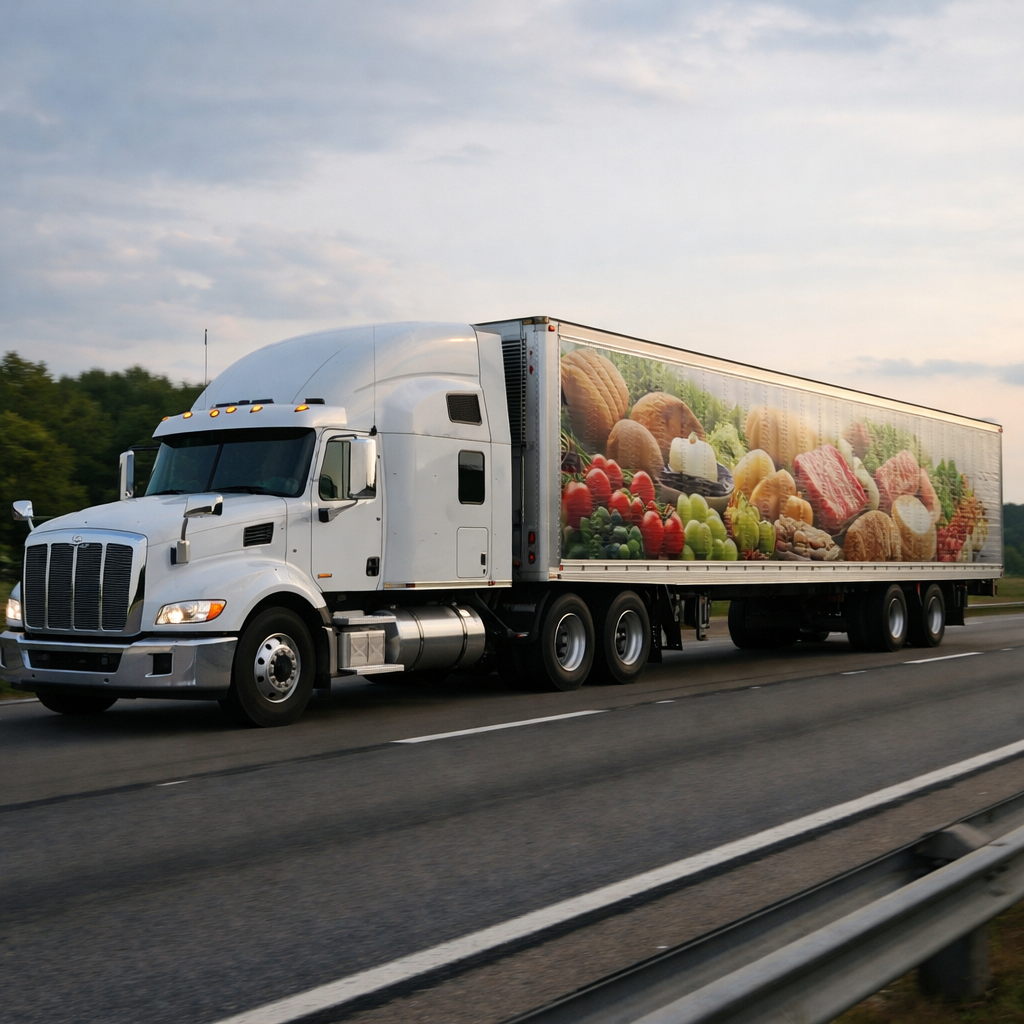
When oil prices rise, diesel follows, and diesel powers the entire food supply chain.
- Diesel prices have already jumped significantly, increasing the cost of trucking and distribution
- Fuel can account for 50–60% of shipping costs, meaning even small increases hit hard
- Suppliers are likely to introduce or increase fuel surcharges to offset these costs
What this means for operators: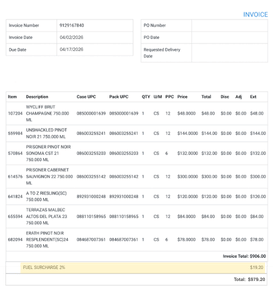
You may not see immediate spikes in food cost, but you will start seeing increases in delivery fees, freight charges, and supplier pricing adjustments.
Suppliers will likely look to offset these costs in pricing as well as surcharges.
You may not see immediate spikes in the direct cost of line items but increases will be woven into your expenses either in pricing or surcharges.
2. The food categories are most affected by rising fuel costs.
Not all ingredients are impacted the same way.
- Fresh items (produce, meat, seafood) will rise first due to rapid transport needs
- Packaged goods tend to lag because they are less time sensitive and there tends to be greater inventory levels protected.
- Processing and transportation, not farming, make up the largest share of food costs
What this means for operators:
Menu volatility will likely show up first in fresh categories. Flexibility in sourcing and substitutions will matter more than ever.
3. Beef is a long-term margin risk, not a short-term spike.
Unlike other categories, beef is facing structural supply challenges.
- Prices have already risen about 15 percent year over year
- The U.S. cattle herd is at historically low levels
- Meaningful price relief is not expected until 2027 or later
What this means for operators:
This is not a temporary fluctuation. Beef should be treated as a strategic cost center, requiring menu engineering, portion control, or sales mix adjustments.
4. Packaging costs are increasing with oil prices.
Fuel does not just impact transportation. It also affects production and product.
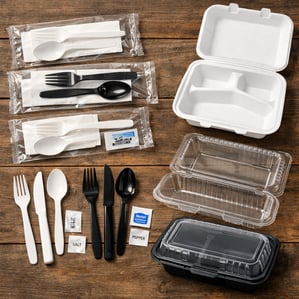
- Natural gas and crude oil is a key input for plastics, packaging, and fertilizer
- Rising energy costs increase prices for everything from containers to supplier inputs
What this means for operators:
Expect a series of smaller cost increases across multiple categories, the kind that quietly erode margins over time.
5. The lag effect: prices may rise all at once.
In the short term, suppliers and retailers may absorb some of the cost increases.
But if elevated oil prices persist:
- Those costs will eventually be passed through
- Price increases may feel sudden and significant, rather than gradual
What this means for operators:
Periods of stability can be misleading. The operators who prepare early will be in a much stronger position when costs hit.
.png?width=578&height=520&name=Invoice%20Mock%20Up%20(2).png)
6. Consumer behavior will shift alongside costs
Rising fuel prices do not just impact your costs. They impact your customers.
- Higher gas prices reduce discretionary spending
- Dining out is often one of the first areas consumers cut back
- Even small weekly increases in fuel costs can shift behavior
What this means for operators:
This creates double pressure. Rising costs paired with softer demand. Execution, consistency, and perceived value become critical. Find ways to communicate to your patrons that you are doing your best to keep their meals affordable despite the volitility in food prices.
If you're looking to get a handle on inventory costs and improve margins, schedule time with our procurement experts.